Woodford’s Owl Facts
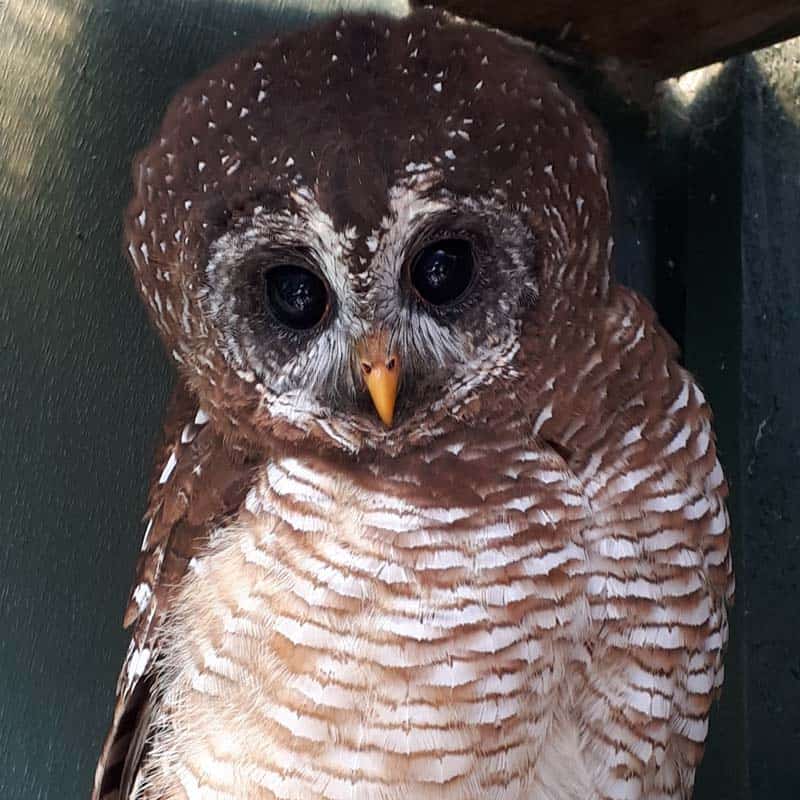
Woodford’s Owl
This is the only member of the small Ciccaba genus which is outside of the New World and so might offer evidence of past links between South America and Africa.
Some recent authorities, however, have placed this African Wood Owl in the genus Strix, the same as our resident Tawny Owl.
This African Wood Owl prefers forest but only the edges of the denser tracts of rain forests and also survives well in plantations and strips of woodland along watercourses.
They can be found at sea level and up to altitudes of at least 12,000 feet, in habitats ranging from wild undamaged forests to the suburbs of towns. It is clearly a successful and adaptable bird.
Usually, two eggs are laid but almost always only one chick is raised. The young owl will remain as long as possible with its parents, often up to a year. The parents will eventually have to chase it off when they next begin to breed. It is essential for the youngster to establish a territory with plenty of food and master its terrain. Without this security, it will face hardship.
Many young Woodford’s Owls die during their first year. As most territories are already occupied by dominant adults, which remain there all year round, the opportunities for the newcomer are slim indeed!
Latin Name: Ciccaba woodfordii
Length: 370-390mm
Wingspan: 940-1040mm
Weight: 300-580g
Conservation Status: Not globally threatened. It is endangered locally by the use of pesticides.
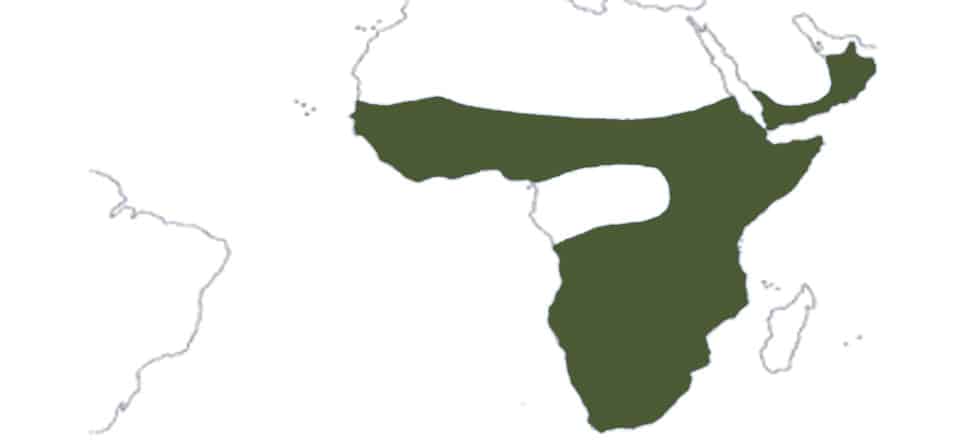
Africa South of the Equator and parts of the Arabian Peninsula. Forest and open woodland.

Get Involved
You can visit our Woodford’s Owls at The Owls Trust. Why not view our Adopt an Owl Page where you will find how to help The Owls Trust and adopt Woodii one of our Woodford’s Owls if you wish to be involved with their care.